




- April 6, 2026
- Our Blog, Tech Solutions
In Singapore’s highly competitive retail landscape, understanding customer behavior inside physical stores is more important than ever. While online retailers rely heavily on data analytics, brick-and-mortar stores must also leverage technology to gain actionable insights. This is where AI Heatmapping for Retail Store Footfall Analysis in Singapore is transforming how retailers measure performance, optimize layouts, and improve customer experiences.
AI-powered heatmapping converts raw footfall data into visual insights, allowing retailers to see exactly how customers move, engage, and interact within their stores.
What Is AI Heatmapping in Retail?
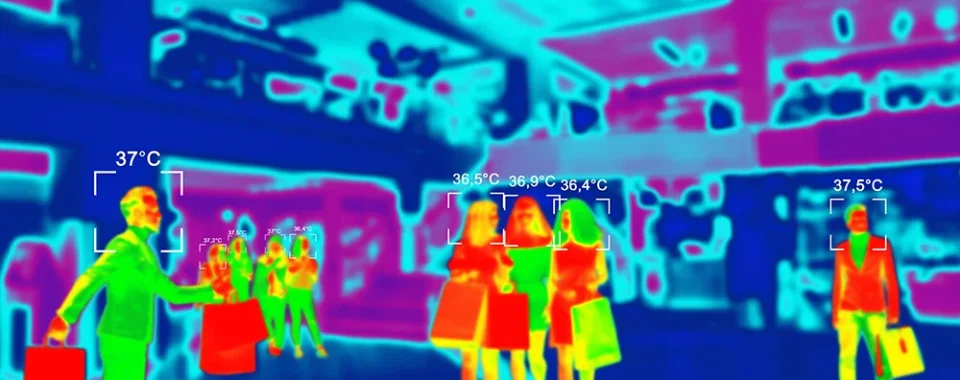
AI heatmapping uses artificial intelligence and computer vision technology to analyze video data captured from in-store cameras. The system tracks anonymous customer movement patterns and generates color-coded heatmaps that highlight high-traffic and low-traffic areas.
Unlike manual observation or basic counters, AI heatmapping provides continuous, accurate, and data-driven insights into footfall behavior without relying on guesswork.
Importance of Footfall Analysis for Retail Stores in Singapore
Retail spaces in Singapore come with high rental costs and intense competition. Every square meter must deliver value. Footfall analysis helps retailers understand how effectively their store space is being utilized.
With AI heatmapping, retailers can:
- Identify high-traffic zones and dead spots
- Understand customer movement paths
- Measure dwell time in specific areas
- Evaluate the impact of product placement and promotions
These insights enable retailers to make smarter layout and merchandising decisions that directly impact sales performance.
Key Benefits of AI Heatmapping for Retail Footfall Analysis
Data-Driven Store Layout Optimization
Heatmaps visually show which areas attract the most customer attention. Retailers can reposition high-margin products, promotional displays, or new arrivals in these high-traffic zones to maximize visibility and sales.
Improved Customer Experience
By analyzing movement patterns, retailers can reduce congestion, improve aisle spacing, and design smoother customer journeys. A more intuitive store layout leads to longer dwell times and higher customer satisfaction.
Accurate Performance Measurement
AI heatmapping helps measure how customers respond to marketing campaigns, in-store signage, and promotional displays. Retailers can evaluate what works and adjust strategies based on real data rather than assumptions.
Staff and Resource Optimization
Footfall insights allow retailers to allocate staff more efficiently. High-traffic periods and zones can be staffed adequately, improving customer service while reducing unnecessary labor costs during low-traffic times.
How AI Heatmapping Technology Works
AI heatmapping systems integrate with existing CCTV cameras or dedicated vision sensors. Advanced algorithms analyze video feeds in real time while maintaining customer anonymity.
The system generates visual heatmaps, movement paths, and analytics dashboards that provide actionable insights. Retailers can access this data to compare performance across different time periods, store sections, or locations.
This automated approach ensures continuous data collection without disrupting store operations.
Why AI Heatmapping Is Ideal for Retailers in Singapore
Singapore’s retail sector includes malls, high-street shops, and compact store formats. AI heatmapping is particularly effective in these environments because it provides precise insights even in high-density foot traffic conditions.
Retailers can use heatmapping to:
- Optimize space utilization in premium locations
- Improve conversion rates in limited floor areas
- Adapt layouts for seasonal demand and promotions
- Support data-driven expansion strategies
Use Cases Across Retail Segments
- Fashion & Apparel Stores: Analyze fitting room visits and product engagement
- Electronics Retailers: Track customer interaction with demo zones
- Supermarkets & Convenience Stores: Optimize aisle flow and product placement
- Shopping Malls: Evaluate tenant performance and crowd movement patterns
Across all segments, AI heatmapping supports smarter decision-making and improved profitability.
Conclusion
AI Heatmapping for Retail Store Footfall Analysis in Singapore enables retailers to bridge the gap between physical and digital analytics. By turning in-store movement into actionable data, businesses can optimize layouts, enhance customer experience, and increase sales performance.
As competition intensifies and consumer behavior evolves, adopting AI-powered footfall analysis is no longer a luxury—it is a strategic necessity for modern retail success in Singapore.
Frequently Asked Questions (FAQs)
1. What is the main purpose of AI heatmapping in retail?
AI heatmapping helps retailers understand customer movement patterns, identify high-traffic areas, and optimize store layouts for better performance.
2. Does AI heatmapping collect personal data?
No, AI heatmapping systems are designed to analyze anonymous movement data and do not identify individuals, ensuring privacy compliance.
3. Can AI heatmapping work with existing CCTV systems?
Yes, most AI heatmapping solutions can integrate with existing camera infrastructure, depending on system compatibility.
4. How does AI heatmapping improve sales?
By placing products and promotions in high-traffic zones and improving customer flow, retailers can increase visibility, engagement, and conversion rates.
5. Is AI heatmapping suitable for small retail stores?
Yes, AI heatmapping solutions are scalable and can be adapted for stores of all sizes, including small and medium retail outlets.
