





- March 6, 2026
- Our Blog, Tech Solutions
Benefits of Inventory Management System / Warehouse Management System real-time tracking to cut lead times, and Predictive Analytics
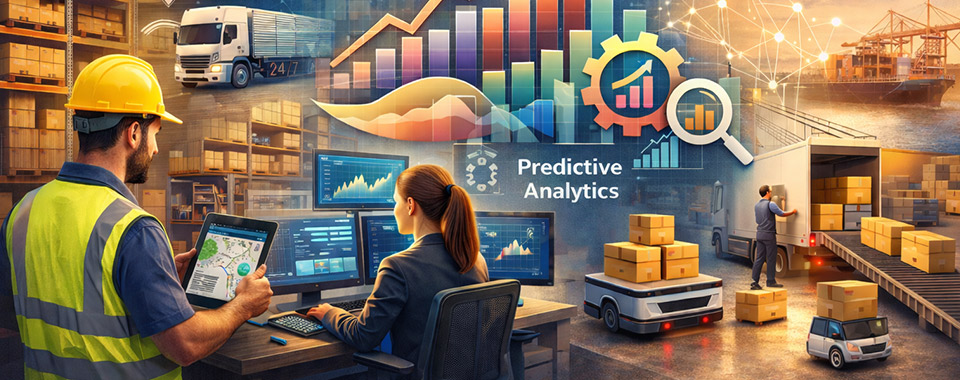
In today’s fast-evolving supply chain environment, businesses must manage inventory with speed, accuracy, and complete visibility. Traditional inventory handling methods and manual warehouse processes often result in stock inaccuracies, delayed order fulfillment, and increased operational costs. Implementing an advanced Inventory Management System (IMS) and Warehouse Management System (WMS) helps organizations overcome these challenges by enabling real-time tracking and predictive analytics.
These technologies allow businesses to reduce lead times, optimize inventory levels, and make informed, data-driven decisions that improve overall warehouse efficiency.
Understanding the Inventory Management System and Warehouse Management System
An Inventory Management System is designed to track inventory quantities, monitor stock movement, and manage replenishment across locations. A Warehouse Management System focuses on optimizing warehouse operations such as receiving, storage, picking, packing, and shipping.
When IMS and WMS are integrated, they provide a centralized platform that ensures real-time visibility across warehouse operations. This integration eliminates data silos, improves cross-team coordination, and maintains inventory accuracy throughout the supply chain.
Role of Real-Time Tracking to Cut Lead Times
Real-time tracking is a core capability of modern inventory and warehouse management systems. Using barcode scanning, RFID, and automated data capture technologies, inventory updates are recorded in real time as items move through the warehouse.
Improved Inventory Accuracy
Real-time tracking minimizes errors caused by manual data entry and outdated records. Accurate inventory data helps prevent stockouts and overstocking, ensuring that products are always available when needed. This directly reduces delays in order processing and fulfillment.
Faster Order Fulfillment
With real-time visibility into inventory locations, warehouse teams can quickly locate, pick, and pack items. Optimized picking routes and automated workflows reduce handling time, allowing orders to be processed and shipped faster, significantly cutting lead times.
End-to-End Warehouse Visibility
Real-time tracking provides complete visibility from inbound receiving to outbound shipping. Managers can identify bottlenecks, delayed processes, or misplaced inventory and take immediate corrective action before they affect delivery timelines.
Predictive Analytics in Inventory and Warehouse Management
While real-time tracking shows current inventory status, predictive analytics focuses on forecasting future needs. By analyzing historical data, demand patterns, and inventory movement trends, predictive analytics enables proactive planning and smarter decision-making.
Demand Forecasting and Planning
Predictive analytics helps businesses anticipate future demand accurately. This ensures optimal stock levels are maintained, reducing emergency procurement and rush orders that often increase lead times.
Smart Inventory Replenishment
Predictive models dynamically determine reorder points and quantities based on usage trends and supplier lead times. This prevents excess inventory while ensuring the continuous availability of critical items.
Improved Resource and Labor Optimization
By forecasting order volumes and warehouse activity, predictive analytics enables better labor scheduling and resource allocation. This reduces delays caused by staffing shortages or inefficient workflows during peak demand periods.
How Real-Time Tracking and Predictive Analytics Work Together
The integration of real-time tracking and predictive analytics creates a powerful inventory and warehouse management ecosystem. Live inventory data continuously feeds predictive models, allowing systems to adjust replenishment strategies and warehouse workflows automatically.
For example, sudden demand changes are reflected immediately in real-time data, enabling predictive tools to recommend adjustments in inventory planning and order processing. This seamless integration helps businesses remain agile and responsive while maintaining efficiency.
Key Benefits for Businesses
- Reduced Lead Times: Faster order processing and optimized workflows shorten delivery cycles.
- Improved Inventory Accuracy: Real-time updates eliminate discrepancies and manual errors.
- Lower Operational Costs: Optimized stock levels reduce carrying costs and inventory waste.
- Enhanced Customer Satisfaction: Faster, accurate deliveries improve customer trust and loyalty.
- Data-Driven Decisions: Actionable insights support strategic planning and continuous improvement.
Conclusion
The Benefits of an Inventory Management System / Warehouse Management System real-time tracking to cut lead times, and Predictive Analytics extend far beyond basic inventory control. These technologies empower businesses to streamline warehouse operations, improve visibility, and proactively manage inventory challenges.
By adopting real-time tracking and predictive analytics, organizations can transform their warehouse operations into a strategic asset that supports growth, efficiency, and long-term competitiveness.
Frequently Asked Questions
- How does real-time tracking help cut lead times?
Real-time tracking provides instant visibility into inventory movement and location, allowing faster picking, packing, and shipping while reducing delays caused by inventory inaccuracies. - What role does predictive analytics play in inventory management?
Predictive analytics forecasts demand, optimizes replenishment, and helps businesses plan inventory and resources proactively, reducing disruptions and delays. - Can the Inventory Management System and Warehouse Management System be integrated?
Yes, integrating IMS and WMS provides centralized visibility and control over inventory and warehouse operations, improving efficiency and decision-making. - Is real-time tracking suitable for all types of warehouses?
Yes, real-time tracking solutions can be scaled and customized for warehouses of all sizes and industries, including manufacturing, logistics, and retail. - How does predictive analytics improve warehouse efficiency?
By analyzing historical and real-time data, predictive analytics helps optimize inventory levels, labor planning, and workflow management, leading to smoother operations.
